Strengthening Classroom Support: How Visual Tools Help Children Thrive
As a follow-up to a recent professional development opportunity for educators, our team hosted a hands-on workshop dedicated to taking teacher learning a step further and by providing practical tools that help them better support the children in their classrooms. This session focused specifically on strategies for working with children who have experienced trauma, as well as those with developmental or language delays.
One of the most effective tools teachers can use are visuals. Research and classroom experience show that visual cues help children understand routines, manage transitions, and express their needs, especially when verbal communication is difficult. For children navigating trauma or language challenges, visuals offer clarity, consistency, and comfort.
Why Visuals Matter in Early Education
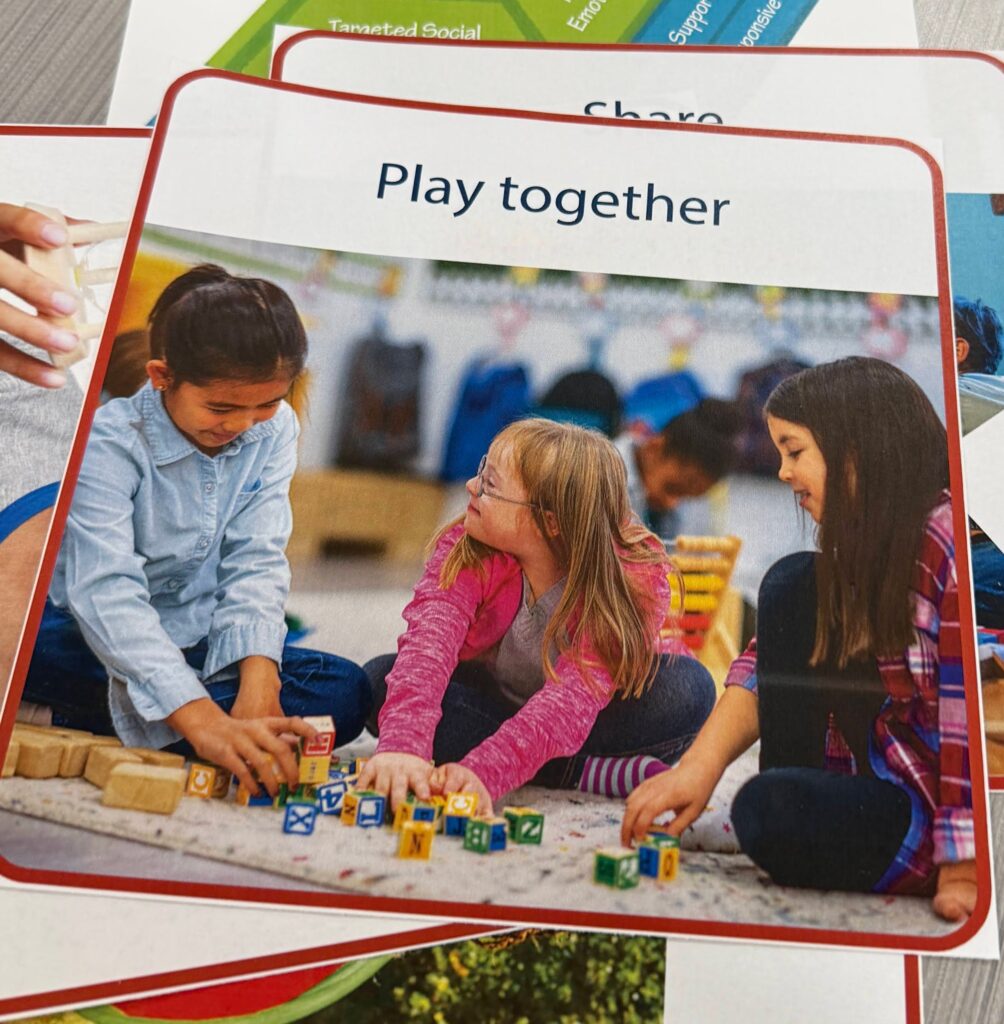
A simple example is a daily schedule displayed in pictures. When children can see what the day will bring, they’re more likely to feel secure and prepared.
“Visuals give children an anchor, helping them anticipate what’s next and reducing anxiety around transitions. They are an important foundation to their growth in the classroom,” shared Denise Barcelo, Early Education Inclusion Manager.
Pictures also reinforce language. When a teacher gives a verbal direction, pairing it with a visual provides a second channel for comprehension. The image stays visible long after the words are spoken, helping children process information at their own pace.
A Collaborative Workshop Designed for Real Classroom Needs
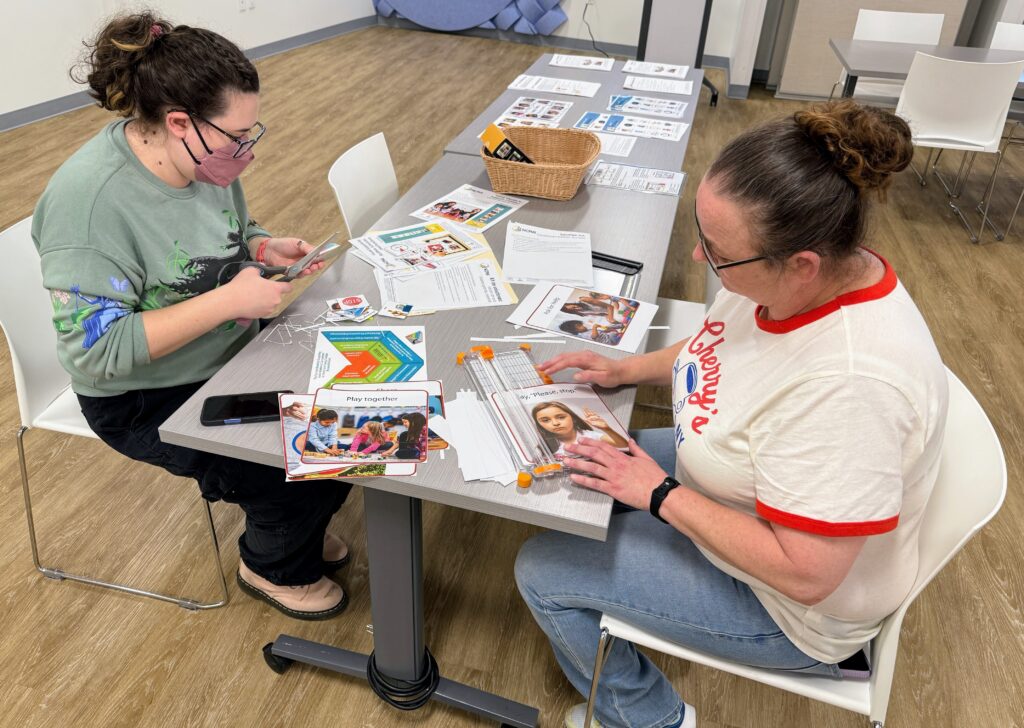
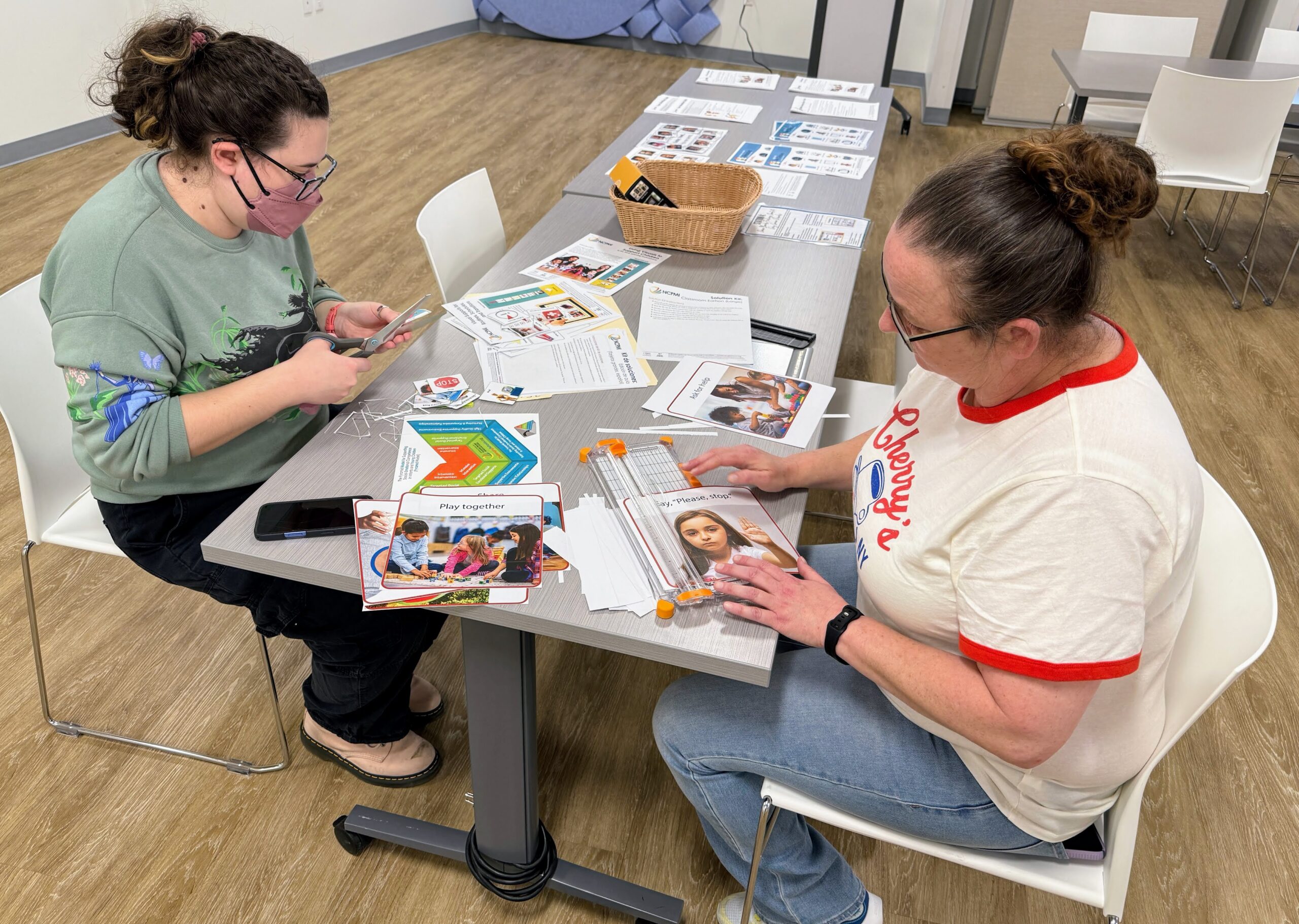
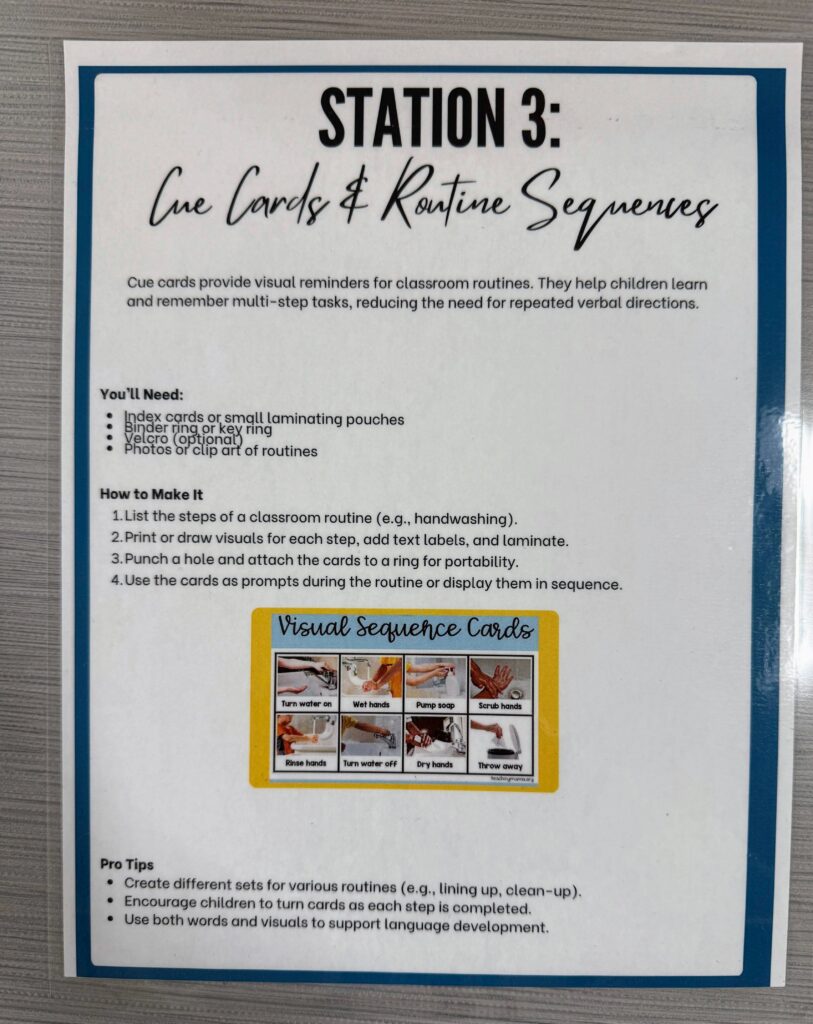
This workshop gave teachers the space and time to create visuals tailored to the specific needs of their classrooms. Educators from across our program, each with different challenges, teaching styles, and levels of experience, came together to share ideas, swap strategies, and learn from one another.
A resource binder filled with visual examples served as inspiration, sparking creativity and helping teachers imagine what might work best for their students. To make the most of their time, education leaders also offered ready-made options: teachers could select visuals they needed, personalize them, and laminate them for daily use.
Building Stronger Teacher-Child Connections
Visual tools do more than support learning—they strengthen relationships. When children are new to a classroom, they may not yet have the language to express how they’re feeling or what they need. Visuals give them a way to communicate. A child can point to a picture to show they’re hungry, tired, overwhelmed, or ready for a break. This simple act helps teachers understand and respond with empathy and care.
By creating consistent visual systems, teachers build trust and predictability—two elements essential for children who have experienced instability or trauma.
👉 Read more about the professional development frameworks that introduced visuals as a valuable approach to trauma-informed early education.
👉 Learn how you can get involved in supporting families experiencing homelessness through donations, volunteer opportunities, and advocacy.